


Harnessing the Power of Thought Records to Manage Anxiety

Anxiety can feel overwhelming, making it hard to think clearly or stay calm. One effective way to manage anxiety is by using a tool called a thought record. This simple method helps you track your thoughts, understand your feelings, and challenge negative patterns that fuel anxiety. This post explains how thought records work and how you can use them to reduce anxiety in your daily life.
What Is a Thought Record?
A thought record is a structured worksheet where you write down your anxious thoughts and examine them carefully. It encourages you to slow down and reflect on what you are thinking, how those thoughts make you feel, and whether they are accurate or helpful. This process helps you spot patterns of negative thinking that increase anxiety.
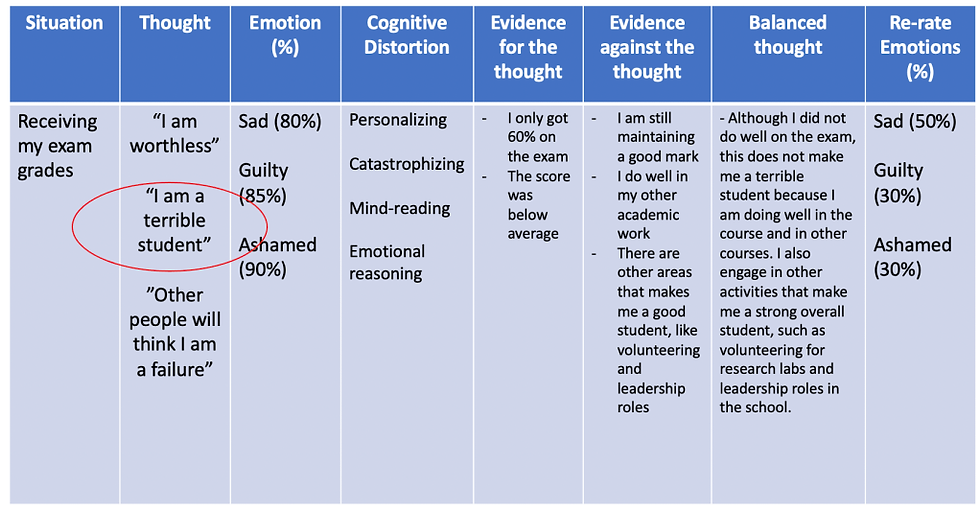
The typical thought record includes sections for:
The situation that triggered the anxiety
The automatic thoughts you had
The emotions you felt and their intensity
Evidence that supports or contradicts your thoughts
A more balanced or realistic thought
The outcome or how you feel after re-evaluating
How Thought Records Help Manage Anxiety
Anxiety often comes from distorted thinking, such as catastrophizing or assuming the worst. Thought records help you catch these distortions by making your thoughts visible and open to question. When you write down your thoughts, you can:
Identify specific triggers of anxiety
Separate facts from feelings or assumptions
Challenge unhelpful beliefs with evidence
Develop more balanced perspectives
Reduce the intensity of anxious emotions
For example, if you feel anxious about a social event, your automatic thought might be, "Everyone will think I’m awkward." Using a thought record, you can list evidence for and against this thought. You might realize you have had positive social experiences before, which helps reduce anxiety.
Practical Tips for Using Thought Records
To get the most from thought records, try these tips:
Be consistent: Use the record whenever you notice anxiety creeping in.
Be honest: Write down your true thoughts and feelings without judgment.
Take your time: Reflect carefully on each section instead of rushing.
Use simple language: Keep your notes clear and straightforward.
Review regularly: Look back at past records to see progress and recurring patterns.
You can find printable thought record templates online or create your own journal. Some people prefer digital apps that guide them through the process.
Example of a Thought Record
When to Seek Additional Support
Thought records are a helpful self-help tool, but they are not a substitute for professional care. If anxiety feels unmanageable or interferes with daily life, consider reaching out to a mental health professional. Therapists often use thought records as part of cognitive-behavioral therapy (CBT), which is proven to reduce anxiety symptoms.
Moving Forward with Thought Records
Using thought records can give you a clearer view of your anxious thoughts and help you take control of your feelings. This practice builds self-awareness and encourages healthier thinking habits. Start by writing down one anxious thought today and see how it changes your perspective.
Managing anxiety takes time and effort, but tools like thought records provide a practical way to make progress. Keep practicing, and you may find that anxiety loses some of its power over you. If you feel that anxiety is getting in the way of your happiness, we are here to help at www.dualmindspsychiatry.com.


Comments