


Unlocking the Powerful Benefits of Low Dose Lithium Supplements for Mental Wellbeing

Mental health challenges affect millions worldwide, and many seek natural ways to support their emotional balance and cognitive function. One option gaining attention is low dose lithium supplementation. Unlike the high doses used in medical treatments for bipolar disorder, low dose lithium offers subtle but meaningful benefits that may improve mental wellbeing without significant side effects.
This article explores how low dose lithium supplements work, their potential benefits, and practical considerations for those interested in trying them.
What Is Low Dose Lithium and How Does It Work?
Lithium is a naturally occurring mineral found in small amounts in water, soil, and certain foods. In psychiatry, lithium salts at high doses have been used for decades to treat mood disorders like bipolar disorder. These doses require medical supervision due to possible side effects.
Low dose lithium supplements typically contain much smaller amounts, often measured in micrograms or milligrams, far below prescription levels. At these low doses, lithium may support brain health by:
Protecting neurons from damage and inflammation
Supporting neurotransmitter balance involved in mood regulation
Promoting brain plasticity, which helps the brain adapt and recover
Reducing oxidative stress, a factor linked to cognitive decline
Research suggests these effects can contribute to improved mood stability, cognitive clarity, and resilience against stress.
Benefits of Low Dose Lithium Supplements
1. Mood Support and Emotional Stability
People taking low dose lithium supplements often report feeling calmer and more balanced, with fewer mood swings. This makes it a potential natural aid for those experiencing mild mood fluctuations or stress.
2. Cognitive Enhancement and Brain Health
Lithium’s neuroprotective properties may help preserve memory and cognitive function. Research in animals and humans shows lithium can stimulate the production of brain-derived neurotrophic factor (BDNF), a protein that supports neuron growth and survival.
This effect may improve focus, mental clarity, and learning ability. Some users take low dose lithium to support brain health as they age or during periods of high mental demand.
3. Neuroprotection Against Age-Related Decline
Emerging evidence links low dose lithium to a reduced risk of neurodegenerative diseases like Alzheimer’s. While more research is needed, these findings suggest lithium’s protective effects could help maintain brain function over time.
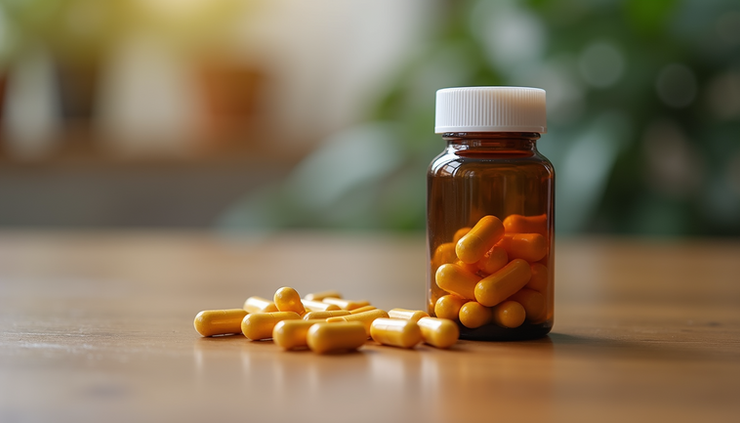
Low dose lithium supplements come in capsule form and are easy to incorporate into daily routines.
How to Use Low Dose Lithium Supplements Safely
If you consider adding low dose lithium to your wellness routine, keep these tips in mind:
Consult a healthcare provider before starting, especially if you have kidney issues or take medications.
Start with the lowest effective dose, often around 1-5 mg daily, to minimize side effects.
Monitor your mood and cognitive changes over several weeks to assess benefits.
Avoid combining lithium supplements with prescription lithium unless directed by a healthcare provider.
Choose high-quality supplements from reputable brands to ensure purity and accurate dosing. Dual Minds Integrative Psychiatry can supply you with respectable supplement brands.
Low dose lithium is generally well tolerated, but some people may experience mild side effects like nausea or increased thirst. Regular check-ins with a healthcare professional can help ensure safety.
What the Research Says
While high dose lithium has a long history in psychiatry, research on low dose lithium is still growing. Key findings include:
Trace lithium in drinking water correlates with lower suicide rates in some regions.
Low dose lithium may reduce inflammation and oxidative stress in the brain.
Animal studies show lithium promotes neuron growth and protects against toxins.
Small human trials suggest mood and cognitive benefits with minimal side effects.
More large-scale clinical trials are needed to confirm these effects and establish optimal dosing guidelines.
Final Thoughts on Low Dose Lithium Supplements
Low dose lithium supplements offer a promising and natural approach to supporting mental wellbeing. Their potential to stabilize mood, enhance cognition, and protect brain health makes them worth considering for people seeking gentle support beyond conventional treatments.
It is extremely important to have a psychiatric mental health nurse practitioner (PMHNP) or other qualified mental health professional support this supplement so that all aspects of health are monitored. Even at low doses, lithium interacts with hydration, kidney function, thyroid function, and overall medical history. Partnering with a PMHNP ensures safety, appropriate dosing, and a personalized plan that fits your full wellness picture.
If you decide to try low dose lithium, do so thoughtfully and with professional supervision. Track your experience carefully and combine supplementation with healthy habits such as balanced nutrition, regular exercise, and stress management. Dr. Emily Cabrera, PMHNP-BC offers individualized care at Dual Minds Integrative Psychiatry (www.dualmindspsychiatry.com) and can help you determine whether low dose lithium is a safe and appropriate addition to your treatment plan. You will receive comprehensive guidance that blends supplements, lifestyle approaches, and mental health care into one cohesive and intentional plan.


Comments