


Crisis and Compassion: Supporting First Responders and Veterans in Mental Health

Updated: Apr 28
First responders, active military personnel, and veterans are often defined by their ability to remain composed in the face of crisis. They are trained to act quickly, think clearly under pressure, and move toward situations that most people would instinctively avoid. This level of responsibility requires resilience, discipline, and emotional control—but it also comes with a cost that is not always visible.
Repeated exposure to trauma, high-stress environments, and life-threatening situations can have a lasting impact on mental health. While these individuals are highly capable in their roles, the culture surrounding these professions often emphasizes toughness and self-reliance, making it more difficult to acknowledge or seek support for emotional challenges. This creates a paradox: those who are trained to protect others may struggle to prioritize their own well-being.
Over time, unprocessed stress and trauma can contribute to conditions such as PTSD, anxiety, depression, burnout, and substance use. These experiences do not reflect a lack of strength—they reflect the cumulative impact of repeated exposure to extreme situations.
From an integrative psychiatry perspective, supporting these populations requires a comprehensive approach—one that acknowledges both the demands of the role and the human experience behind it. Treatment must address not only symptoms, but also the underlying effects of trauma, stress, and nervous system dysregulation.
This blog explores the unique mental health challenges faced by first responders and military personnel, the cultural barriers to seeking help, and how integrative approaches can support long-term resilience and recovery.
🌐 www.dualmindspsychiatry.com | 📞 508-233-8354 | 💌 dualmindsintegrativepsychiatry@gmail.com
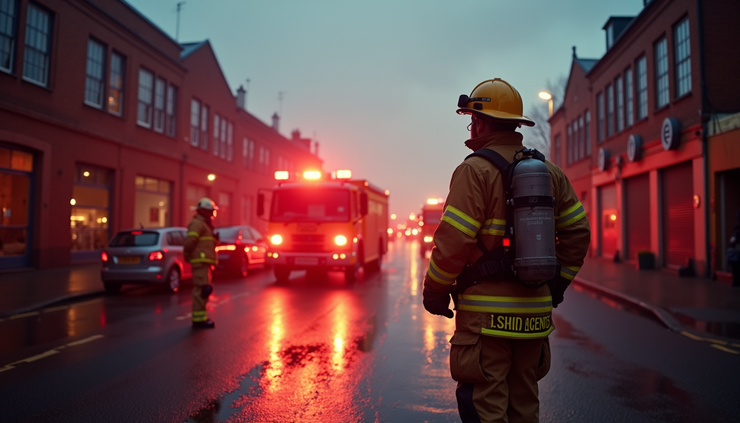
The Emotional Toll of Crisis Work
First responders and military members regularly witness events that can cause deep emotional wounds. These include accidents, violence, loss of life, and other traumatic experiences. Over time, repeated exposure to such events can lead to:
Post-Traumatic Stress Disorder (PTSD)
Depression and anxiety
Substance misuse
Burnout and emotional exhaustion
For example, studies show that nearly 20% of veterans returning from combat zones experience PTSD symptoms. Similarly, first responders have higher rates of suicide compared to the general population. These statistics highlight the urgent need for mental health care tailored to their unique experiences.
The Culture of Strength and Its Challenges
The culture within military and emergency services often emphasizes toughness, self-reliance, and endurance. This mindset helps individuals perform under pressure but can also create barriers to seeking help. Some common challenges include:
Fear of stigma or being seen as weak
Concerns about career impact or loss of trust
Difficulty recognizing or admitting emotional struggles
This culture can lead to silence and isolation, worsening mental health outcomes. Encouraging open conversations and normalizing mental health care are critical steps toward change.
Practical Ways to Support Mental Health
Supporting first responders and veterans requires a combination of individual, community, and organizational efforts. Here are some practical approaches:
1. Early Intervention and Screening
Regular mental health screenings can identify issues before they become severe. Integrating these screenings into routine health checks helps normalize mental health care.
2. Peer Support Programs
Peers who understand the unique challenges can provide empathy and guidance. Programs where veterans or first responders support each other have shown positive results in reducing stigma and encouraging help-seeking.
3. Access to Specialized Care
Mental health professionals trained in trauma and military culture offer more effective treatment. Integrative psychiatry approaches that combine therapy, medication, and holistic care can address complex needs.
4. Training and Education
Providing education about mental health symptoms and coping strategies empowers individuals and their families. Training leaders to recognize signs of distress and respond appropriately is also vital.
5. Creating Safe Spaces
Organizations can foster environments where mental health is openly discussed without judgment. Confidential counseling services and flexible policies support this goal.

Real-Life Examples of Support in Action
The VA’s Vet Centers offer counseling and support groups specifically for veterans adjusting to civilian life. These centers provide a welcoming space to share experiences and receive help.
Firefighter peer support teams in many cities provide immediate emotional support after critical incidents, helping colleagues process trauma together.
Military units incorporating resilience training teach stress management and emotional regulation before deployment, reducing long-term mental health problems.
Encouraging Compassion and Understanding
Supporting first responders and veterans' means recognizing their humanity beyond their roles. Compassion involves listening without judgment, validating their feelings, and offering consistent support. Families, friends, and communities play a crucial role in this process.
Mental health challenges do not diminish a person’s strength or service. Instead, seeking help is a sign of courage and self-awareness. By changing the narrative around mental health, we can help those who protect us heal and thrive.
Final Thoughts
The strength required to serve as a first responder, military member, or veteran is undeniable—but that strength does not make someone immune to the effects of trauma and stress. In many cases, the very qualities that allow individuals to perform under pressure—discipline, control, and emotional restraint—can make it more difficult to recognize when support is needed.
Acknowledging this reality is not a weakness. It is an important step toward creating a culture where mental health is treated with the same level of importance as physical health. When individuals feel supported and understood, they are more likely to seek help early, process their experiences, and build long-term resilience.
Healing in this context requires more than a single approach. Integrative psychiatry offers a comprehensive model that combines therapy, medication when appropriate, and lifestyle-based strategies to support the nervous system, process trauma, and restore balance. This approach recognizes that mental health is shaped by both experience and biology, and effective care must address both.
At Dual Minds Integrative Psychiatry, we are committed to supporting those who serve others. Care is tailored to the unique challenges faced by first responders, military personnel, and veterans, with a focus on creating a safe, confidential, and understanding environment for healing.
To learn more or take the next step in your mental health journey, visit www.dualmindspsychiatry.com and schedule your appointment today.
🌐 www.dualmindspsychiatry.com | 📞 508-233-8354 | 💌 dualmindsintegrativepsychiatry@gmail.com


Comments