


Blueberries The Superfood Boosting Your Mental Health and Neurotransmitter Function

Updated: Apr 29
Mental health is shaped by more than just thoughts and emotions—it is deeply connected to biology, lifestyle, and nutrition. The brain relies on a steady supply of nutrients to produce neurotransmitters, regulate mood, and maintain cognitive function. As awareness grows around this connection, more people are turning to integrative psychiatry, which combines traditional treatment with nutrition and lifestyle strategies.
Among the foods gaining attention for their brain-boosting benefits, blueberries stand out. Often labeled a “superfood,” blueberries are rich in antioxidants and compounds that support brain health at a cellular level. These nutrients not only protect the brain from damage but also play a role in supporting neurotransmitter function.
This blog explores how blueberries contribute to mental wellness, the science behind their impact on brain chemistry, and how simple dietary changes can support emotional balance and cognitive health.
🌐 www.dualmindspsychiatry.com | 📞 508-233-8354 | 💌 dualmindsintegrativepsychiatry@gmail.com
What Makes Blueberries a Superfood for the Brain?
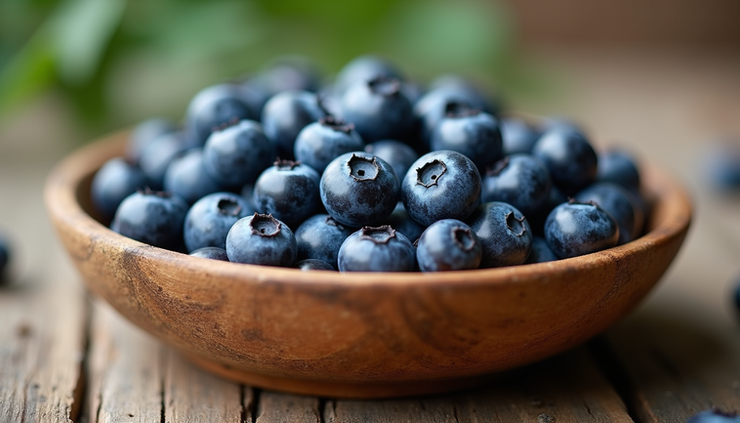
Blueberries are packed with antioxidants, vitamins, and minerals that contribute to brain health. Their deep blue color comes from anthocyanins, a type of flavonoid with strong antioxidant properties. These compounds help reduce oxidative stress and inflammation in the brain; two factors linked to cognitive decline and mood disorders.
Research shows that blueberries can improve memory, learning, and motor skills. For example, a study published in the Journal of Agricultural and Food Chemistry found that older adults who consumed blueberry juice daily showed improved cognitive performance compared to a placebo group. This suggests blueberries may protect the brain from age-related decline.
How Blueberries Support Neurotransmitter Function
Neurotransmitters are chemicals that transmit signals between nerve cells. They play a crucial role in regulating mood, motivation, sleep, and cognition. Imbalances in neurotransmitters like serotonin, dopamine, and glutamate are often involved in mental health conditions such as depression and anxiety.
Blueberries influence neurotransmitter function in several ways:
Increasing dopamine levels: Anthocyanins in blueberries can boost dopamine production, which supports motivation and pleasure.
Enhancing serotonin activity: Blueberries may help increase serotonin availability, improving mood and reducing anxiety.
Protecting neurons: Antioxidants in blueberries protect nerve cells from damage, preserving neurotransmitter pathways.
These effects make blueberries a valuable food for supporting mental health naturally.
Integrative Psychiatry and the Role of Nutrition
Integrative psychiatry emphasizes treating the whole person, including diet, exercise, sleep, and stress management. Nutrition plays a key role in this approach because the brain requires specific nutrients to function optimally.
Blueberries fit well into integrative psychiatry because they offer a natural, accessible way to support brain chemistry. Clinicians often recommend adding blueberries to the diet alongside other lifestyle changes and therapies to enhance mental health outcomes.
Practical Ways to Include Blueberries in Your Diet
Incorporating blueberries into your daily routine is simple and enjoyable. Here are some ideas:
Add fresh or frozen blueberries to your morning oatmeal or yogurt.
Blend blueberries into smoothies with spinach, banana, and protein powder.
Use blueberries as a topping for whole-grain pancakes or waffles.
Snack on a handful of fresh blueberries during the day.
Mix blueberries into salads for a sweet and nutritious twist.
Aim for about one cup of blueberries daily to gain their brain benefits. Frozen blueberries retain most of their nutrients and are a convenient option year-round.
Other Brain-Boosting Benefits of Blueberries
Beyond neurotransmitter support, blueberries offer additional mental health benefits:
Improved blood flow: Blueberries help increase blood flow to the brain, enhancing oxygen and nutrient delivery.
Reduced inflammation: Chronic inflammation is linked to depression and cognitive decline; blueberries help lower inflammatory markers.
Stress resilience: Some studies suggest blueberries may reduce the impact of stress on the brain, supporting emotional balance.
These combined effects make blueberries a well-rounded superfood for mental wellness.
Final Thoughts
Supporting mental health does not rely on a single intervention—it is built through consistent, supportive choices over time. Nutrition plays a key role in this process, providing the building blocks the brain needs to function effectively.
Blueberries offer a simple yet powerful way to support brain health. Their antioxidant properties help protect neurons, while their impact on neurotransmitters supports mood, focus, and emotional balance. When incorporated regularly, they can complement other aspects of mental health care.
An integrative approach recognizes that lasting well-being comes from addressing the full picture. Combining nutrition, lifestyle habits, and evidence-based psychiatric care creates a more stable and sustainable path forward.
At Dual Minds Integrative Psychiatry, we focus on personalized care that includes nutrition as a key component of mental wellness.
To learn more or take the next step in your mental health journey, visit www.dualmindspsychiatry.com and schedule your appointment today.
🌐 www.dualmindspsychiatry.com | 📞 508-233-8354 | 💌 dualmindsintegrativepsychiatry@gmail.com


Comments