


Healing from Secondary Trauma: How Integrative Psychiatry Can Support First Responders

Updated: May 11
First responders are exposed to trauma as part of their daily work—but not all trauma is experienced directly. Over time, repeatedly witnessing others’ pain, loss, and crisis can take a significant psychological toll. This is known as secondary (or vicarious) trauma.
Unlike a single traumatic event, secondary trauma builds gradually. It often goes unrecognized because first responders are trained to stay composed, focused, and resilient under pressure. However, the emotional impact does not disappear—it accumulates.
From an integrative psychiatry perspective, addressing secondary trauma requires more than symptom management. It involves supporting the nervous system, processing emotional experiences, and building sustainable resilience.
This blog explores how secondary trauma affects first responders and how integrative approaches can support healing, recovery, and long-term well-being.
🌐 www.dualmindspsychiatry.com | 📞 508-233-8354 | 💌 dualmindsintegrativepsychiatry@gmail.com
What Is Secondary Trauma and Why It Matters
Secondary trauma happens when someone repeatedly witnesses or hears about traumatic events without being the direct victim. For first responders, this means exposure to distressing scenes, stories, and suffering over time. Unlike direct trauma, secondary trauma builds gradually but can cause serious emotional and physical symptoms.
Common signs of secondary trauma include:
Intrusive thoughts or flashbacks related to others’ trauma
Emotional numbness or detachment
Heightened anxiety or irritability
Sleep disturbances and nightmares
Physical symptoms like headaches or fatigue
Difficulty concentrating or feeling overwhelmed
These symptoms can interfere with job performance, relationships, and overall quality of life. Left unaddressed, secondary trauma can lead to burnout, depression, or even suicidal thoughts.
Example:
A paramedic who responds to multiple fatal accidents may start experiencing nightmares about the scenes, feel detached from family, and struggle with anxiety at work. These symptoms reflect secondary trauma, not direct injury.
Learn more about specialized care for first responders at Dual Minds Integrative Psychiatry.
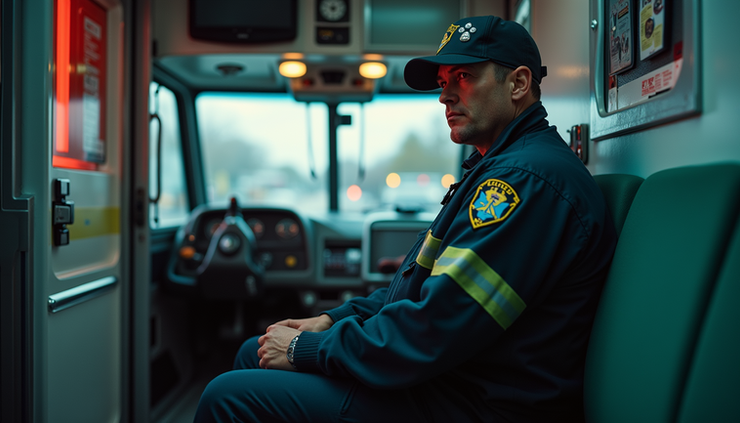
Paramedics often face repeated trauma exposure, leading to emotional exhaustion.
Why First Responders Are Especially Vulnerable
First responders are trained to act quickly and stay strong during emergencies. This strength can sometimes mask the emotional toll of their work. Several factors increase their vulnerability to secondary trauma:
Repeated exposure: Constantly witnessing trauma without enough recovery time
High responsibility: Feeling pressure to save lives and make split-second decisions
Limited emotional outlets: Cultural norms in emergency services may discourage showing vulnerability
Personal trauma history: Previous trauma can increase sensitivity to secondary trauma
Lack of support: Insufficient mental health resources or stigma around seeking help
Understanding these factors helps organizations and individuals create better support systems.
How Integrative Psychiatry Supports Healing
Integrative psychiatry combines conventional psychiatric treatments with complementary therapies to treat the whole person. This approach recognizes that mental health is connected to physical health, lifestyle, and emotional well-being.
Key components of integrative psychiatry for secondary trauma include:
Psychotherapy: Evidence-based therapies like cognitive-behavioral therapy (CBT) or eye movement desensitization and reprocessing (EMDR) help process trauma memories and reduce symptoms.
Medication management: When appropriate, medications can ease anxiety, depression, or sleep problems.
Mind-body techniques: Practices such as mindfulness meditation, yoga, or breathing exercises reduce stress and improve emotional regulation.
Nutritional support: Diet influences brain health; nutritional counseling can support mood and energy.
Physical activity: Regular exercise helps reduce anxiety and improves sleep quality.
Social support: Group therapy or peer support programs provide connection and reduce isolation.
This comprehensive approach allows first responders to find personalized strategies that work for them.
This holistic approach allows first responders to develop personalized strategies for resilience. Learn more about our specialized programs for first responders at Dual Minds Integrative Psychiatry.
Practical Steps for First Responders to Manage Secondary Trauma
While professional help is essential, first responders can take practical steps to protect their mental health:
Recognize symptoms early: Awareness helps seek help before symptoms worsen.
Establish routines: Consistent sleep, meals, and exercise support resilience.
Practice mindfulness: Even a few minutes daily can reduce stress.
Set boundaries: Limit overtime and take breaks when possible.
Seek peer support: Talking with colleagues who understand can ease feelings of isolation.
Use professional resources: Access counseling or integrative psychiatry services when needed.
Organizations can support these steps by providing education, mental health resources, and a culture that encourages self-care.
Moving Forward: Building Resilience and Support Systems
Healing from secondary trauma is an ongoing process. First responders and their organizations can build resilience by:
Promoting mental health education and stigma reduction
Offering access to integrative psychiatric care and peer support
Encouraging self-care practices and work-life balance
Monitoring workload to prevent burnout
Creating safe spaces for open conversations about trauma
By investing in these areas, the well-being of first responders improves, benefiting the entire community they serve.
Final Thoughts
Secondary trauma is often invisible, but its impact is real. Repeated exposure to others’ suffering can affect emotional well-being, relationships, and overall resilience over time.
Recognizing these effects is not a sign of weakness—it is an important step toward maintaining long-term mental health. First responders are trained to show up for others in difficult moments, but they also deserve support in processing what they carry.
Healing from secondary trauma requires space for reflection, tools for regulation, and care that addresses both the emotional and physical impact of stress.
At Dual Minds Integrative Psychiatry, we understand the unique challenges first responders face and provide whole-person support designed to promote resilience, recovery, and sustainable well-being.
🌐 www.dualmindspsychiatry.com | 📞 508-233-8354 | 💌 dualmindsintegrativepsychiatry@gmail.com


Comments