


The Crisis Junkie Paradox: Understanding ADHD's Pull Towards Emergency and the Paperwork Panic

Updated: Apr 29
Some professionals perform exceptionally well under pressure—calm, focused, and decisive in high-stakes moments—yet struggle with routine tasks like documentation or administrative work. For many individuals with ADHD, this contrast can feel confusing and frustrating.
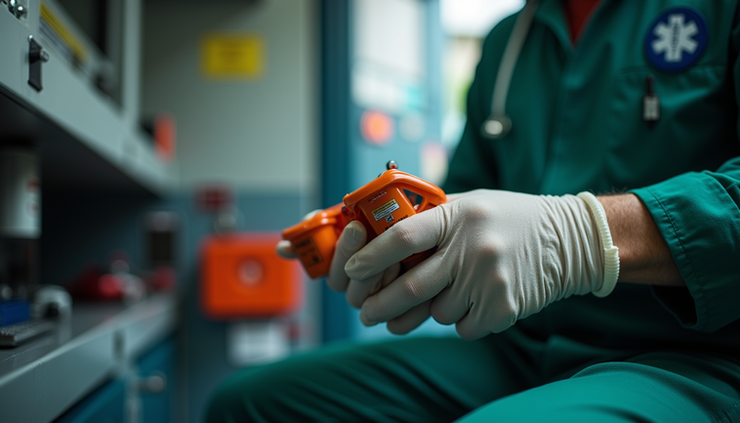
This experience is especially common among first responders and healthcare workers, where fast-paced, high-adrenaline environments align with how the ADHD brain functions best. In these moments, neurotransmitters like dopamine and norepinephrine surge, improving focus and performance.
However, when the urgency fades and routine tasks take over, that same brain can struggle to engage. Without immediate stimulation or reward, tasks like paperwork can feel overwhelming, leading to procrastination and stress.
From an integrative psychiatry perspective, this is not a lack of ability—it is a difference in how the brain processes motivation, reward, and attention. Understanding this pattern can reduce shame and open the door to more effective strategies.
This blog explores why ADHD brains thrive in crisis, why routine tasks feel so difficult, and how integrative approaches can help create balance and sustainable success.
🌐 www.dualmindspsychiatry.com | 📞 508-233-8354 | 💌 dualmindsintegrativepsychiatry@gmail.com
Why ADHD Brains Thrive in High-Stress Emergencies
ADHD brains crave stimulation and dopamine; a neurotransmitter linked to reward and motivation. High-stress emergencies provide an intense dopamine hit. The urgency and clear focus needed during a "stat" call activate the brain’s reward system, creating a sense of purpose and energy. This dopamine surge sharpens attention and decision-making, allowing individuals to perform at their best.
In emergency situations, the brain’s fight-or-flight response kicks in, releasing adrenaline and norepinephrine. These chemicals increase alertness and physical readiness. For someone with ADHD, this cocktail of neurotransmitters can temporarily override typical executive function challenges, making complex tasks feel manageable.
Why Paperwork Feels Like an Impossible Mountain
By contrast, paperwork and documentation lack the immediate urgency and dopamine boost of emergencies. These tasks require sustained attention, organization, and working memory—areas where ADHD brains often struggle. The absence of a clear, immediate reward makes it difficult to engage.
Executive dysfunction can cause procrastination, forgetfulness, and difficulty prioritizing paperwork. This leads to a backlog that grows over weeks, creating a cycle of shame and stress. The person who was the most competent in the crisis now feels overwhelmed and incompetent in the quiet aftermath.
The Unique Shame of Being Competent Yet Behind
This paradox creates a specific kind of shame. First responders and healthcare workers with ADHD often feel proud of their crisis performance but deeply frustrated by their paperwork delays. They may hide their struggles, fearing judgment from colleagues who see only their competence in emergencies.
This shame can worsen executive dysfunction, making it even harder to tackle documentation. Understanding this emotional cycle is key to breaking it.
Neurotransmitters Behind the Crisis Junkie Paradox
Several neurotransmitters play roles in this paradox:
Dopamine: Drives motivation and reward. High during emergencies, low during routine tasks.
Norepinephrine: Increases alertness and focus during stress.
Adrenaline: Boosts physical readiness and sharpens senses.
Serotonin: Regulates mood and impulse control, often lower in ADHD, contributing to emotional challenges.
Balancing these chemicals is difficult without targeted strategies, which is why many with ADHD struggle with the shift from crisis to calm.

Integrative Therapies to Support Executive Function
Several therapies can help manage the crisis-paperwork gap:
Cognitive Behavioral Therapy (CBT): Helps develop strategies to manage procrastination and emotional responses.
Mindfulness and Meditation: Improves focus and reduces stress, making paperwork less daunting.
Exercise: Regular physical activity boosts dopamine and norepinephrine naturally.
Nutritional Support: Diets rich in omega-3 fatty acids and balanced protein can support neurotransmitter function.
Coaching and Structured Planning: ADHD coaches help create routines and break paperwork into manageable steps.
Medication: Stimulant and non-stimulant medications can balance neurotransmitters, improving focus and executive function.
Practical Tips for Managing Paperwork
Break paperwork into small, timed sessions.
Use timers or apps to create urgency artificially.
Reward yourself after completing sections.
Create a dedicated, distraction-free workspace.
Ask for support or accountability from colleagues or coaches.
Prioritize the most urgent documents first.
Why First Responders and Healthcare Workers Are Especially Affected
These professions demand rapid decision-making under pressure, which aligns with the ADHD brain’s strengths. Yet, they also require meticulous documentation, which conflicts with ADHD challenges. The emotional weight of patient care and legal responsibilities adds pressure, increasing anxiety around paperwork.
Understanding this dynamic can foster compassion and better support systems within these fields.
Final Thoughts
The ability to perform under pressure is a strength—but it can come with challenges when the environment shifts from urgency to routine. For individuals with ADHD, this contrast is rooted in brain chemistry, not capability.
Understanding this pattern can help reframe frustration into insight. The same brain that excels in fast-paced situations may need structure, support, and intentional strategies to manage lower-stimulation tasks.
An integrative approach focuses on building that balance—supporting neurotransmitter function, creating sustainable routines, and reducing the emotional weight tied to productivity struggles.
At Dual Minds Integrative Psychiatry, we work with individuals to harness their strengths while developing practical tools to navigate everyday demands with more confidence and less overwhelm.
To learn more or take the next step in your mental health journey, visit www.dualmindspsychiatry.com and schedule your appointment today.
🌐 www.dualmindspsychiatry.com | 📞 508-233-8354 | 💌 dualmindsintegrativepsychiatry@gmail.com


Comments